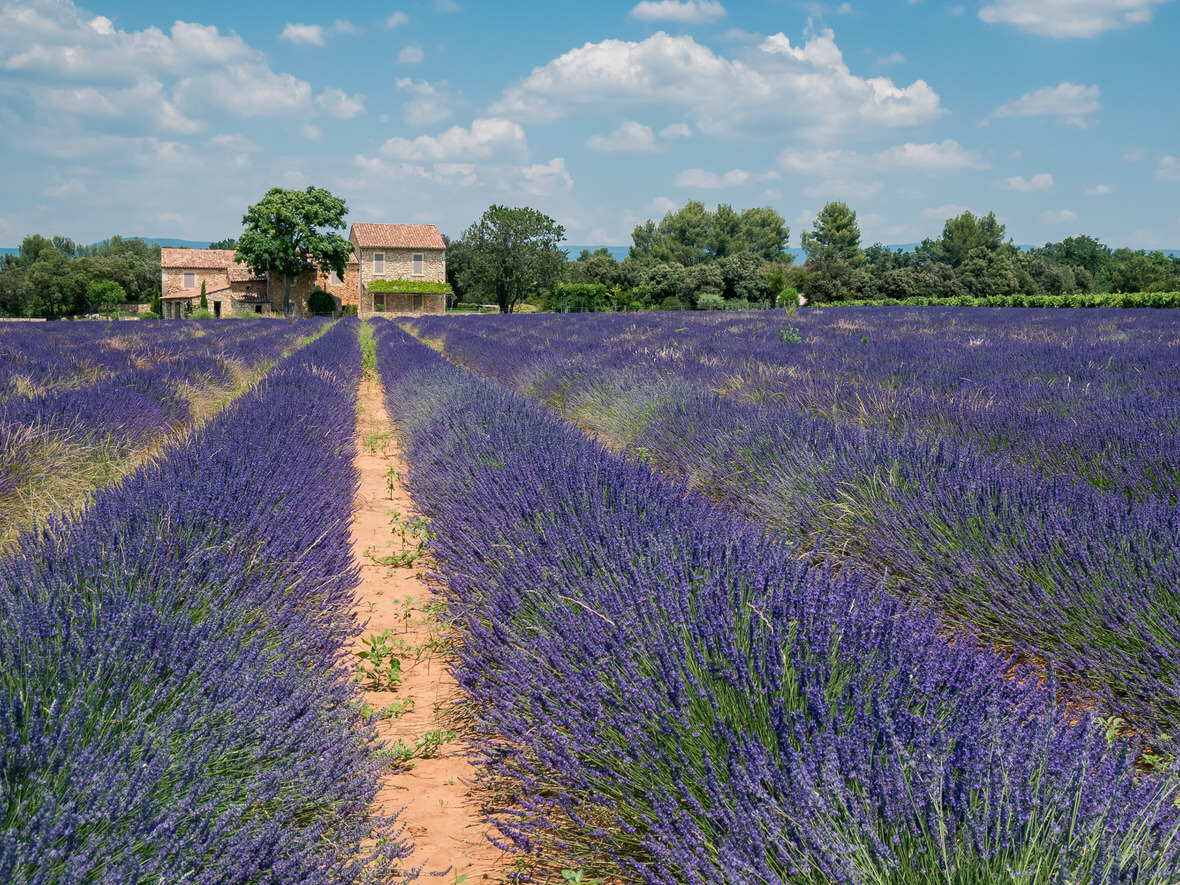
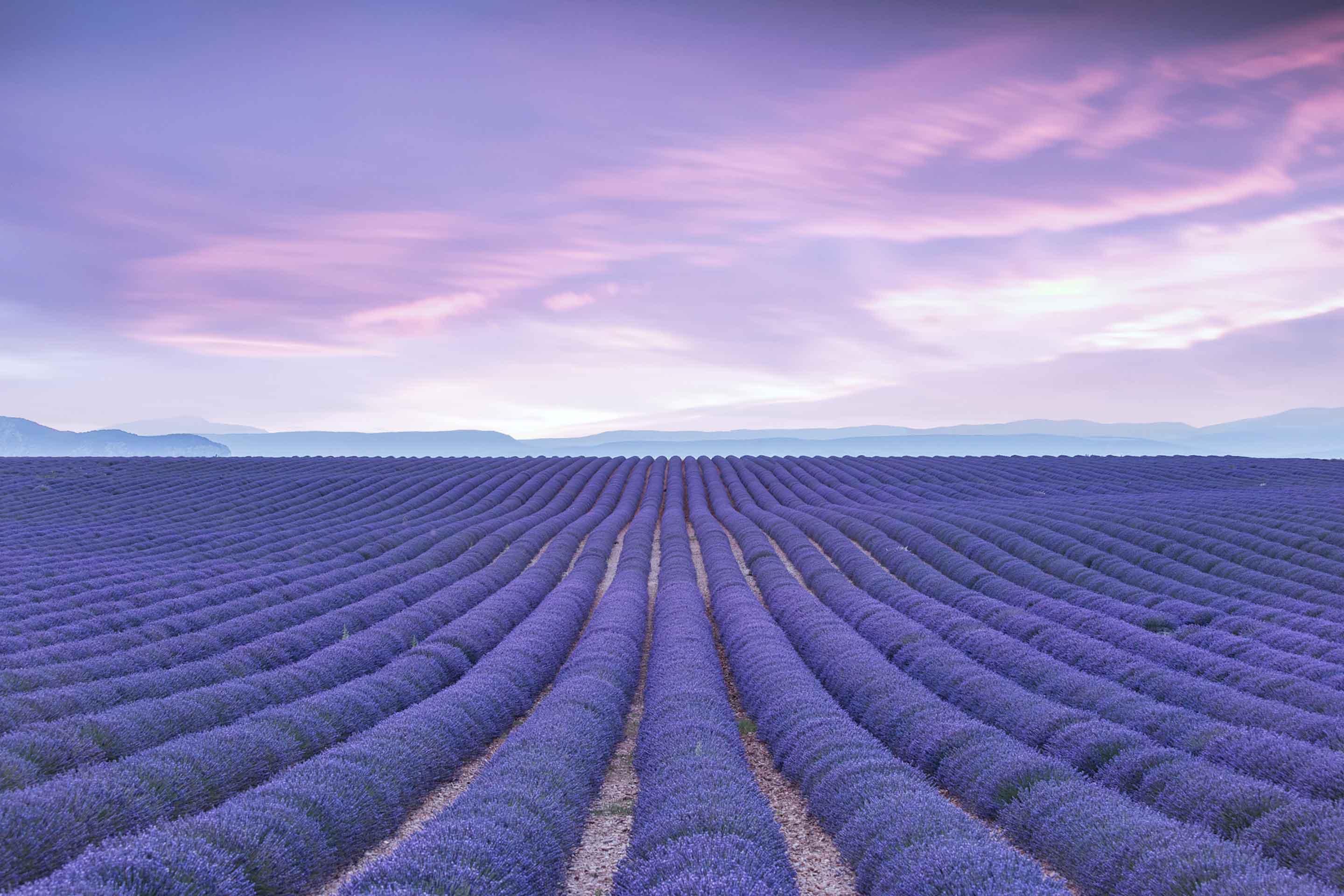
Lavender field in Provence, France

Story Seed 4 · Lavandula angustifolia

The Lavender
Letters

Plant Ally: Lavender (Lavandula angustifolia)

Welcome to Story Seed 4: hands-on, interdisciplinary lessons designed to spark imagination, inquiry, and cross-curricular connections with global site explorations.

In this seed, learners explore personal narrative voice through the lens of lavender, a plant with 2,500 years of human story. Across France, Japan, and Morocco, we discover that the way we write is as distinct and powerful as a plant's fragrance. No two writers sound exactly the same. This seed helps learners find and trust their own.

"Words, like seeds, take root in the hearts of those who receive them."
Grades 3–6 Personal Narrative Voice 3 Global Sites Visited CCSS Aligned IB Alignment Permaculture Principles
🌱

The Garden Gate

About This Seed

What your learner will discover, and why lavender chose them.

Lavender fields in full bloom, Provence France, photographed by National Geographic Valensole Plateau, Provence, France · Photo: National Geographic

Seed at a Glance

Writing SkillPersonal Narrative Voice
Plant AllyLavender (Lavandula angustifolia)
Grades3 through 6
Global SitesFrance, Japan, Morocco
StandardsCCSS W.3–6.3, W.3–6.4, L.3–6.3
IB AlignmentReflective, Communicator
PermacultureEarth Care, People Care, Fair Share

Lavender has been whispering comfort to human beings for over 2,500 years. Today your learner will discover that the way we speak, our voice, is as distinct and powerful as the fragrance of our plant ally. No two lavender fields smell exactly the same. No two writers sound exactly the same either.

This seed invites learners to slow down, observe their plant ally, notice the world around them, and write with the kind of specificity and warmth that stays with a reader long after the page is turned.

📚

Key Vocabulary

10 Words to Know

Build these words before you read, write, and grow.

Click any card to flip it and reveal the definition.

01

Narrative Voice

noun phrase

tap to flip

Narrative Voice

The distinct personality a writer brings to their writing, shaped by word choice, tone, detail, and rhythm. Like a plant ally's fragrance, no two narrative voices are exactly alike.

"Abeni discovered her narrative voice through letters."

02

Plant Ally

noun phrase

tap to flip

Plant Ally

A plant chosen as a companion and teacher for a lesson. The plant ally in each Story Seed is botanically accurate, globally sourced, and woven into every pillar of the learning experience.

"Lavender is our plant ally in this seed."

03

Essential Oil

noun phrase

tap to flip

Essential Oil

A concentrated, fragrant liquid extracted from plants. Lavender's essential oil is found in its tiny glands and is most potent at sunrise, which is why farmers harvest the plant ally at dawn.

"The essential oil of lavender carries its healing fragrance."

04

Sensory Detail

noun phrase

tap to flip

Sensory Detail

Language that appeals to the five senses: sight, smell, touch, taste, and sound. Strong sensory detail helps a reader experience the world of the writing, just as the plant ally helps a learner experience the world of the lesson.

"She used sensory detail to describe the lavender field."

05

Cultivation

noun

tap to flip

Cultivation

The process of growing and tending plants intentionally. Cultivation of a plant ally requires observation, patience, and care. The same qualities cultivate a strong writer's voice.

"Lavender cultivation in Furano began in 1937."

06

Vignette

noun

tap to flip

Vignette

A short, vivid piece of writing that captures a single moment, place, or scene. Each global site visited in this lesson is introduced through a nonfiction vignette that shows the plant ally in its cultural home.

"Each Soil Knowledge vignette visits a different global site."

07

Germination

noun

tap to flip

Germination

The process by which a seed begins to sprout and grow into a plant. Lavender seeds germinate best with light, warmth, and patience, just as a writing voice germinates through practice and observation.

"Germination of lavender seeds takes 14 to 21 days."

08

Reflection

noun

tap to flip

Reflection

Thoughtful consideration of an experience, idea, or feeling. In writing, reflection is what turns an event into a story with meaning. The seed journal asks learners to reflect on their plant ally observations each day.

"She ended her letter with a moment of quiet reflection."

09

Botanical

adjective

tap to flip

Botanical

Relating to plants or the scientific study of plants (botany). A botanical illustration captures accurate details of a plant ally: its shape, structure, color, and growth pattern.

"The botanical drawing showed every detail of the lavender spike."

10

Stewardship

noun

tap to flip

Stewardship

The responsible care and protection of something valuable, such as the earth, a community, or a story. In permaculture and in writing, stewardship means taking care of what has been entrusted to you, including your plant ally and your voice.

"Growing a plant ally is an act of stewardship."

🌍

Soil Knowledge

Global Sites Visited in This Lesson

Three global sites visited, one plant ally, one shared human truth.

🇫🇷

Provence, France

The Valensole Plateau · Southern France

Lavender fields stretching across Provence, France

The Valensole Plateau in southern France turns violet-blue every July as 30 million lavender plants bloom together. French perfumers call lavender "the soul of Provence." Farmers harvest by hand at sunrise when the essential oil concentration is highest, a tradition passed down for generations.

The scent is so powerful it can be smelled from a moving car a mile away. In Provence, lavender is not merely a crop. It is an identity, a season, and a kind of homecoming. The fields draw painters, poets, and pilgrims who return each summer to witness what they describe as the closest thing on earth to a purple ocean.

🇯🇵

Furano, Japan

Tomita Farm · Hokkaido Island

Lavender fields at Farm Tomita in Furano, Hokkaido, Japan

On the island of Hokkaido, the town of Furano grows lavender fields that rival Provence in beauty. Japanese lavender cultivation began in 1937 when a single farmer planted seeds as a fragrance crop. Today Furano's Tomita Farm draws 1 million visitors each summer.

In Japanese culture, lavender represents elegance, refinement, and quiet grace, the same qualities prized in fine calligraphy and letter writing. There is a Japanese concept called ma, the beauty of pause, of space between moments. Lavender, which asks you to slow down before you begin, carries this spirit naturally.

🌍

Atlas Mountains, Morocco

North Africa · Berber Healing Traditions

Organic dried Moroccan lavender

In the Atlas Mountains of Morocco, Berber healers have used lavandin, a wild cousin of lavender, for centuries to treat wounds, calm anxious children, and purify homes during celebrations. The plant holds a sacred, practical role woven into daily life.

Moroccan mothers still place dried lavender under children's pillows to encourage peaceful, dream-filled sleep, believing good dreams plant good thoughts for tomorrow. This tradition of intentional dreaming mirrors what writers do when they slow down and invite images to arrive before they begin.

🌍

Global Sites Visited in This Lesson

Three Lavender Destinations

Provence, France · Furano, Japan · Atlas Mountains, Morocco

Provence, France
Furano, Japan
Atlas Mountains, Morocco
📖

The Seed Story

Published-Quality Fiction

Ages 8–12 · Model text for personal narrative voice

The Lavender Letters

Ages 8–12 · Published-Quality Fiction
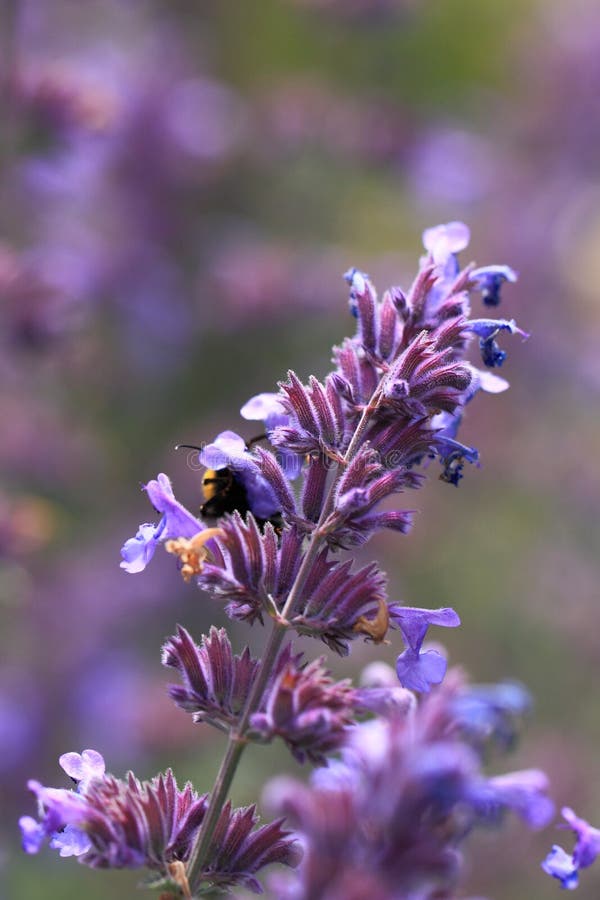
Close-up macro photograph of three lavender flowers

The summer Abeni turned ten, her grandmother stopped speaking.

Not because anything was wrong with her voice. Grandma Yetunde simply decided that some things were too important to say out loud. They needed to be written down.

Every morning, Abeni found a small envelope tucked under her breakfast bowl. Inside was a letter, written in her grandmother's looping, old-fashioned handwriting, on paper that smelled faintly of lavender. The letters were never long. Sometimes just three sentences. Sometimes a single question.

What made you laugh today before the world asked you to be serious?

If your heart were a garden, what would be growing in it right now?

Tell me one thing you noticed today that nobody else seemed to see.

At first, Abeni thought it was strange. Her friends texted each other. They sent voice memos. Nobody wrote letters anymore.

But something happened when she sat down to write back.

She slowed down.

She noticed things she hadn't noticed before, the way the morning light came through the kitchen window at exactly 7:14, how her little brother always hummed the same three notes when he was thinking, the smell of rain on hot Chicago pavement.

Her letters started as one paragraph. By August, they were four pages long.

On the last day of summer, Grandma Yetunde placed a bundle of dried lavender in Abeni's hands.

"This is what your writing smells like to me," she said, out loud, for the first time in months. "Something that stays long after the moment is gone."

Abeni pressed the lavender between the pages of her letters.

Some things, she understood now, were worth keeping forever.

Story Details

👧Protagonist: Abeni, age 10, Chicago
🎯Theme: Slowing down to find your voice
📬Device: Letter-writing across generations
🌿Botany: Lavender as sensory memory

Discussion Starter

Has someone in your life ever written you something that stayed with you? What made it feel different from a text message?

Wisdom Principle

"Something that stays long after the moment is gone."

Single lavender flower botanical photograph
📍

Abeni's World

Chicago, Illinois

Where Abeni writes her lavender letters, on the shores of Lake Michigan

Chicago sits on the southwestern shore of Lake Michigan, in the heart of the Great Lakes region. Abeni writes her lavender letters here, where the midwest wind carries the scent of memory across an entire continent.

🎨

Botanical Reflection

Drawing Guide + Coloring Page

Step-by-step: draw your own lavender sprig from observation.

Close-up delicate lavender flower botanical photography Reference: Lavandula angustifolia in bloom · Botanical Photography
  1. Draw the stem, one long, slightly curved vertical line. Lavender stems are tall and slender. Make yours about 4 inches.
  2. Add the flower spike, at the top of the stem, draw a narrow oval shape, slightly pointed at the tip. This is where the flowers cluster.
  3. Add the florets, working from bottom to top of the oval, draw small rounded bumps in pairs on each side. About 8 to 10 pairs.
  4. Draw the leaves, add 2 to 4 pairs of long, narrow leaves along the lower stem. They are thin, almost like little fingers reaching outward.
  5. Add the details, drawing tiny dots inside each floret to suggest individual petals. Shade the spike darker at the base, lighter at the tip.
  6. Color your lavender, using soft purple for the florets, grey-green for the leaves and stem, and warm ivory for the background. Real lavender is never just one purple. Layer violet, lilac, and soft blue.
  7. Breathe in. Imagine the scent. Lavender asks you to slow down before you begin.
Suggested palette
Lavender close-up botanical photograph for reference

Draw alongside this reference photograph

✍️

Planting and Tending

5 Scaffolded Writing Activities

CCSS and IB Alignment · Grades 3–6

Close your eyes and imagine holding a bundle of fresh lavender. Write 5 sentences describing what you notice using all five senses. What does it look like? What does it smell like? What does it feel like when you run your fingers through it? What do you imagine it might taste like?

W.3–4.3L.3–4.3Sensory Detail

Write a letter to someone you love, a grandparent, a friend, a future version of yourself, using only questions. Every sentence must be a question that invites them to slow down and notice something beautiful. Write at least 8 questions. Think about what Grandma Yetunde asked Abeni, questions that open doors rather than close them.

W.3–5.3W.3–5.4Narrative Voice

Rewrite this sentence three different ways, each time in a completely different voice:

"The lavender field stretched out as far as I could see."

Version 1

Write it as a scientist observing nature, precise, measured, and curious.

Version 2

Write it as a child who has never seen anything so beautiful, wonder-filled, immediate, full of feeling.

Version 3

Write it as a grandmother who has walked through this field every summer for 60 years, layered, nostalgic, tender.

W.4–5.4L.4–5.3Voice and Style

Abeni learned to notice small things. Go somewhere in your home or outside and sit quietly for 3 full minutes. Write a paragraph describing everything you noticed, especially the things most people would walk past without seeing.

Use specific, precise language. No vague words like "nice" or "pretty." Challenge yourself: if you can replace your adjective with a more exact word, do it.

W.4–6.3L.4–6.3Word ChoiceObservation

Write a complete 3-paragraph personal narrative about a moment when someone's words, spoken or written, stayed with you long after the moment was over.

Use sensory detail, a clear narrator voice, and end with a reflection on what that moment taught you. Minimum 250 words.

W.5–6.3W.5–6.4L.5–6.3Narrative WritingReflection
Standards Addressed: W.3–6.3 Narrative Writing W.3–6.4 Voice and Style L.3–6.3 Word Choice
🌻

Garden Treasures

Hands-On Projects

Growing, cooking, and crafting with lavender.

🌿

Grow It

Purple lavender flower blooming outdoors in garden

Lavender Seed Start

  • Fill a small biodegradable pot with seed-starting mix.
  • Press 2 to 3 lavender seeds just below the surface. They need light to germinate, so barely cover them.
  • Mist gently and place in a sunny window. Germination takes 14 to 21 days.
  • Lavender loves full sun and hates wet roots. Water only when the soil feels dry.
  • Keep a seed journal. Draw and date your plant's progress every 3 days.
🍋

Make It

Purple lavender lemonade in a glass

Lavender Lemonade, Serves 4

Ingredients

  • 1 cup fresh lemon juice (about 5 lemons)
  • 1 cup lavender simple syrup*
  • 3 cups cold water
  • Ice and lemon slices to serve
  • *Simmer 1 cup water + 1 cup sugar + 2 tbsp dried culinary lavender for 10 minutes, then strain and cool.
  • Stir together, taste, and adjust sweetness. Serve in your favorite glass.
  • Sip slowly. Write one sentence about what it tastes like using a metaphor.
✂️

Craft It

Dried lavender bundles for crafting

Lavender Dream Sachet 🌙

  • Cut two 4x4 inch squares of soft fabric (muslin, cotton, or linen).
  • Sew or glue three sides together to make a small pouch.
  • Fill with 2 tablespoons of dried culinary lavender.
  • Sew or tie the top closed with ribbon. Decorate with a fabric marker, drawing your lavender sprig from the Botanical Reflection.
  • Place under your pillow tonight and write your dreams in your seed journal tomorrow morning.
📋

Story Seed 4 at a Glance

Quick Reference

PlantLavender (Lavandula angustifolia)
Writing SkillPersonal Narrative Voice
Global Sites VisitedFrance, Japan, Morocco
Story ProtagonistAbeni, age 10, Chicago
Core ThemeThe power of slowing down and finding your voice
Grades3 through 6
Writing StandardsCCSS W.3–6.3, W.3–6.4, L.3–6.3
IB Learner Profile Alignment
IB: ReflectiveIB: Communicator
🌿

The Story Seeds Method

Standards Alignment, IB Alignment, and Lesson Architecture

Click any topic below to explore the full framework.

The Story Seeds Method is a 40-lesson interdisciplinary writing curriculum for learners ages 8–12 (Grades 3–6), developed by the ProTeachAI Foundation. Every single lesson is built across six learning pillars, aligned to six major educational frameworks, and designed to activate five learning modalities simultaneously. No lesson stands alone. Each seed is part of a living, scaffolded sequence.[1][2]

Permaculture Principles as Literacy Framework

Story Seeds is one of the only curricula in the United States to embed Permaculture Principles as structural design values, not supplementary themes.

Earth Care
  • Every botanical study includes the plant's ecological relationships, native range, and role in its ecosystem
  • Learners study how plants interact with soil, pollinators, climate, and human communities
  • Grow It projects connect learners directly to the living world through seed-starting, cultivating a relationship with the plant ally through direct observation
People Care
  • Every story centers human dignity, cultural wisdom, and the lived experience of a child in a real global community
  • Soil Knowledge vignettes honor indigenous and traditional knowledge systems alongside contemporary science
  • Diverse protagonists ensure every learner sees themselves reflected in the curriculum
Fair Share
  • The ProTeachAI Foundation's no-gatekeeper access mission is the Fair Share principle made institutional
  • Story Seeds is designed for equitable distribution across under-resourced classrooms and communities
  • The curriculum model gives back to teachers, learners, and the ecosystems that inspire each seed
Permaculture as Literacy Design
  • Observe and interact: the Noticing Paragraph activity and Seed Journal mirror the permaculture practice of patient observation
  • Use edges and value the marginal: stories intentionally center voices and cultures often left at the margins of traditional curriculum
  • Design from patterns to details: the six-pillar lesson structure reflects permaculture's systems-first design logic

Common Core State Standards (CCSS) · ELA Grades 3–6

Every lesson addresses multiple strands simultaneously. Each strand is cross-referenced with IB Alignment attributes for seamless integrated lesson planning.[2][3]

Writing Standards (W)

Writing Standards
W.3–6.1W.3–6.2W.3–6.3 W.3–6.4W.3–6.5W.3–6.6 W.3–6.7W.3–6.8W.3–6.10

Opinion, informational, narrative, and extended writing across all grade bands. Planning, revising, editing, digital publishing, and research.

Reading Standards
RI.3–6.1RI.3–6.3 RI.3–6.6RI.3–6.9 RL.3–6.1RL.3–6.3 RL.3–6.6RL.3–6.9

Citing evidence, analyzing cultural connections, point of view across nonfiction and literature, comparing themes and sources.

Speaking and Listening (SL)
SL.3–6.1SL.3–6.4SL.3–6.6

Collaborative discussions with diverse partners, reporting on topics with facts and details, adapting speech to context and task.

Language (L)
L.3–6.1L.3–6.2L.3–6.3 L.3–6.4L.3–6.5L.3–6.6

Grammar, conventions, word choice, vocabulary acquisition, figurative language, word relationships, and domain-specific academic vocabulary.

IB Alignment: Primary Years Programme (PYP) Learner Profile[4][5][1]

IB Alignment is foundational to the Story Seeds Method. All 10 IB PYP Learner Profile attributes are embedded across the full 40-lesson arc, not added as an afterthought.

AttributeHow Story Seeds Activates It
InquirersEvery lesson opens with a botanical wonder question that has no single answer
KnowledgeableSoil Knowledge nonfiction from 3 or more global sites visited per seed, each featuring the plant ally in its native cultural context
ThinkersScaffolded writing activities requiring analysis, comparison, and inference
Communicators5 written activities per lesson and oral discussion prompts
PrincipledStories center ethical dilemmas, respect for all global communities, and integrity
Open-MindedEvery protagonist comes from a different cultural heritage and global context
CaringGarden Treasures projects build empathy through growing living things
Risk-TakersCreative activities explicitly reward trying new forms and styles
BalancedCurriculum integrates science, art, writing, and hands-on making
ReflectiveSeed journals and revision activities close every lesson

Next Generation Science Standards (NGSS)[6]

Botanically grounded science practices embedded in every lesson.

Life Science Practices

Botanically accurate plant biology in every lesson: anatomy, lifecycle, and ecology of the plant ally. Plant-culture-climate connections grounded in real science. Germination and growing projects tied directly to each lesson's plant ally.

Science and Engineering Practices

SEP Standards
SEP.1SEP.4 SEP.6SEP.8

Asking questions, analyzing botanical data, constructing explanations from evidence, and communicating information.

Crosscutting Concepts
PatternsCause and EffectSystems

Patterns in nature and culture, cause and effect in ecosystems, systems and system models through permaculture design principles.

UNESCO Global Citizenship Education (GCED)[7][8][9]

Three UNESCO learner attribute domains are built into every lesson.

Cognitive Domain: Informed and Critically Literate
  • Each lesson's Soil Knowledge section presents 3 or more cultural perspectives on one plant, training learners to synthesize multiple worldviews on a single subject
Socio-Emotional Domain: Socially Connected and Respectful of Diversity
  • Every seed story features a culturally specific protagonist in a real global setting. Learners build empathy through inhabiting another child's world
Behavioral Domain: Ethically Responsible and Engaged
  • Garden Treasures projects create real-world action: growing food, making things by hand, connecting with nature as an act of stewardship
UN SDG Connections
  • SDG 4: Quality Education
  • SDG 10: Reduced Inequalities (access mission of ProTeachAI Foundation)
  • SDG 15: Life on Land (botanical science and permaculture)
  • SDG 16: Peace and Strong Institutions (global literacy and storytelling)

AI Literacy Framework[10]

Story Seeds teaches the thinking skills that make learners effective in an AI world.

Critical Evaluation
  • Students distinguish source quality across nonfiction texts
Synthesis
  • Combining information from multiple perspectives into original writing
Prompt Awareness
  • Every writing activity is structured like a well-formed thinking prompt
Creative Authorship
  • Learners develop a distinct writer's voice that is unmistakably human
Media Literacy
  • Understanding how stories shape culture and perception
Cognitive Foundation
  • The ability to think originally, evaluate critically, and communicate with precision. This is the core of AI literacy

Additionally, Story Seeds is one of the only curricula in the U.S. to embed permaculture ethics as a literacy framework: Earth Care (every botanical study includes ecological relationships), People Care (every story centers human dignity and cultural wisdom), and Fair Share (the ProTeachAI Foundation's no-gatekeeper licensing model as the permaculture principle made institutional).

What Every Single Lesson Includes

Six learning pillars, present in every Story Seed, from Seed 1 to Seed 40.

Pillar 1: The Garden Gate
  • Named writing skill (narrative, descriptive, argumentative, poetic, and more)
  • Named botanical plant ally with common and scientific name
  • A wisdom principle, a single memorable truth
  • An opening wonder question with no single correct answer
Pillar 2: Soil Knowledge
  • Minimum 3 nonfiction cultural vignettes per lesson, each from a different country
  • Scientifically accurate botanical facts embedded in cultural context
  • Age-appropriate academic vocabulary introduced in context
  • Connection to geography, history, and human practice
Pillar 3: The Seed Story
  • Published-quality original fiction, 600 to 900 words minimum
  • A culturally specific child protagonist (ages 8–12) in a real global setting
  • A story arc with a clear beginning, turning point, and resolution
  • The plant ally is woven into the narrative as a living character, not decoration
Pillar 4: Botanical Meditation
  • Step-by-step drawing guide to observe and render the lesson's plant ally
  • Scientific botanical illustration technique adapted for ages 8–12
  • Coloring page for mindful engagement and fine motor development
  • Brief mindfulness or breathing cue to open the creative space
Pillar 5: Planting and Tending
  • 5 scaffolded writing activities per lesson, differentiated by grade band
  • Activities progress from warm-up to structured practice to independent voice
  • At least one activity per lesson addresses narration, description, analysis, imagination, and reflection
  • CCSS-coded and IB PYP attribute-tagged for easy lesson planning
Pillar 6: Garden Treasures
  • Grow It: a real seed-starting or gardening project featuring the lesson's plant ally
  • Make It: a cooking or food-based activity using the plant
  • Craft It: a hands-on making project connecting art, culture, and botany
  • Each project includes a seed journal prompt tying the hands-on experience with the plant ally back to writing

Learning Modalities Activated Per Lesson

Seven modalities, activated simultaneously in every single seed.

ModalityHow It's Activated
VisualBotanical illustration, coloring, and story imagery
LinguisticAll 5 writing activities and nonfiction reading
Logical and AnalyticalSource comparison, evidence-based writing, and science content
KinestheticGrow It, Make It, and Craft It projects
InterpersonalDiscussion prompts, collaborative activities, and oral presentation options
IntrapersonalSeed journal, reflective writing, and wisdom principle contemplation
NaturalistDirect botanical observation, growing living plants, and ecological study

Curriculum at a Glance

The full scope of the Story Seeds Method across all 40 seeds.

Total Lessons40 Story Seeds
Ages and GradesAges 8–12, Grades 3–6
Writing Skills40 distinct skills across all major text types
Plants Featured40 botanically accurate plant allies, globally and culturally sourced
Global Sites Visited120 or more global site vignettes across 40 or more nations
Protagonist Diversity40 culturally distinct child protagonists
Writing Activities200 total (5 per lesson)
Hands-On Projects120 total (3 per lesson)
Standards Frameworks6: CCSS, IB Alignment (PYP), NGSS, UNESCO GCED, AI Literacy, Permaculture Principles
Learning Modalities7 per lesson
End-of-Curriculum OutcomeWriter's portfolio, botanical library, and distinct writing voice

Ready to plant your first seed?

Access ten complete Story Seeds, each one a full interdisciplinary lesson built around a botanical companion.

Access the First 10 Story Seeds